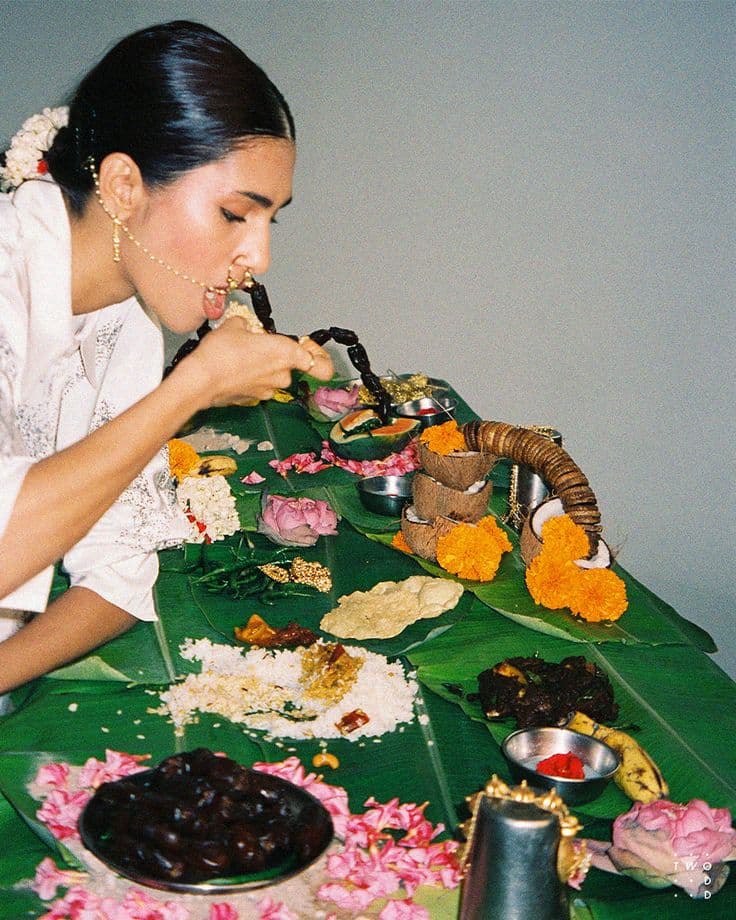
“Cinematic” and “documentary” are used interchangeably in the wedding industry. They shouldn't be. They represent fundamentally different relationships between the camera and the people in front of it.
A cinematic wedding film shapes reality into a narrative. It decides what the story is, then constructs the footage to tell it. The couple walks toward the camera. The drone pulls back to reveal the venue. The slow-motion moment is scored with carefully chosen music.
This is a craft. It requires technical skill, creative direction, and a clear vision. The result is polished, emotionally effective, and often beautiful.
But it is not what happened. It is what the filmmaker decided happened.
A documentary approach lets reality be the narrative. There is no predetermined story. There is no shot list. There is only the day, as it unfolds, in its own rhythm and its own light.
This means accepting imperfections. It means the grandmother's sari might be in the way. It means the lighting might be unflattering. It means the most important moment of the day might happen behind a pillar.
But it also means the emotion is real. The tears are unplanned. The laughter is a surprise. Nothing was asked for, repeated, or arranged.
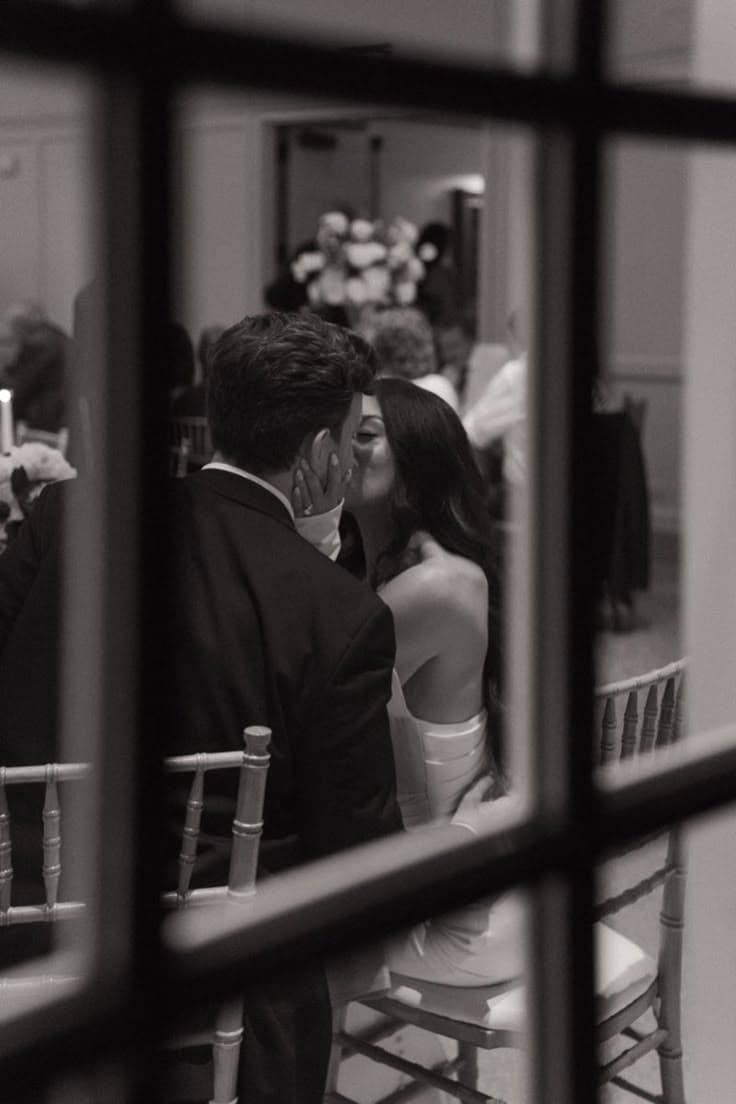
Neither approach is wrong. They serve different needs.
If you want a wedding film that feels like a film — with narrative structure, emotional arc, and visual polish — cinematic is the right choice. There are many talented filmmakers who do this work beautifully.
If you want documentation that feels like memory — imperfect, intimate, and honest — then documentary is what you are looking for.
We chose documentary. Not because it is better, but because it is true to us. We cannot direct a moment and call it real. We cannot construct an emotion and call it honest. So we observe. We stay close. We let the wedding be itself.
That is the difference. And it matters.